Skyline
1. Congratulations on your LIT Music Awards achievement! Could you share more about your journey and background in the music industry?
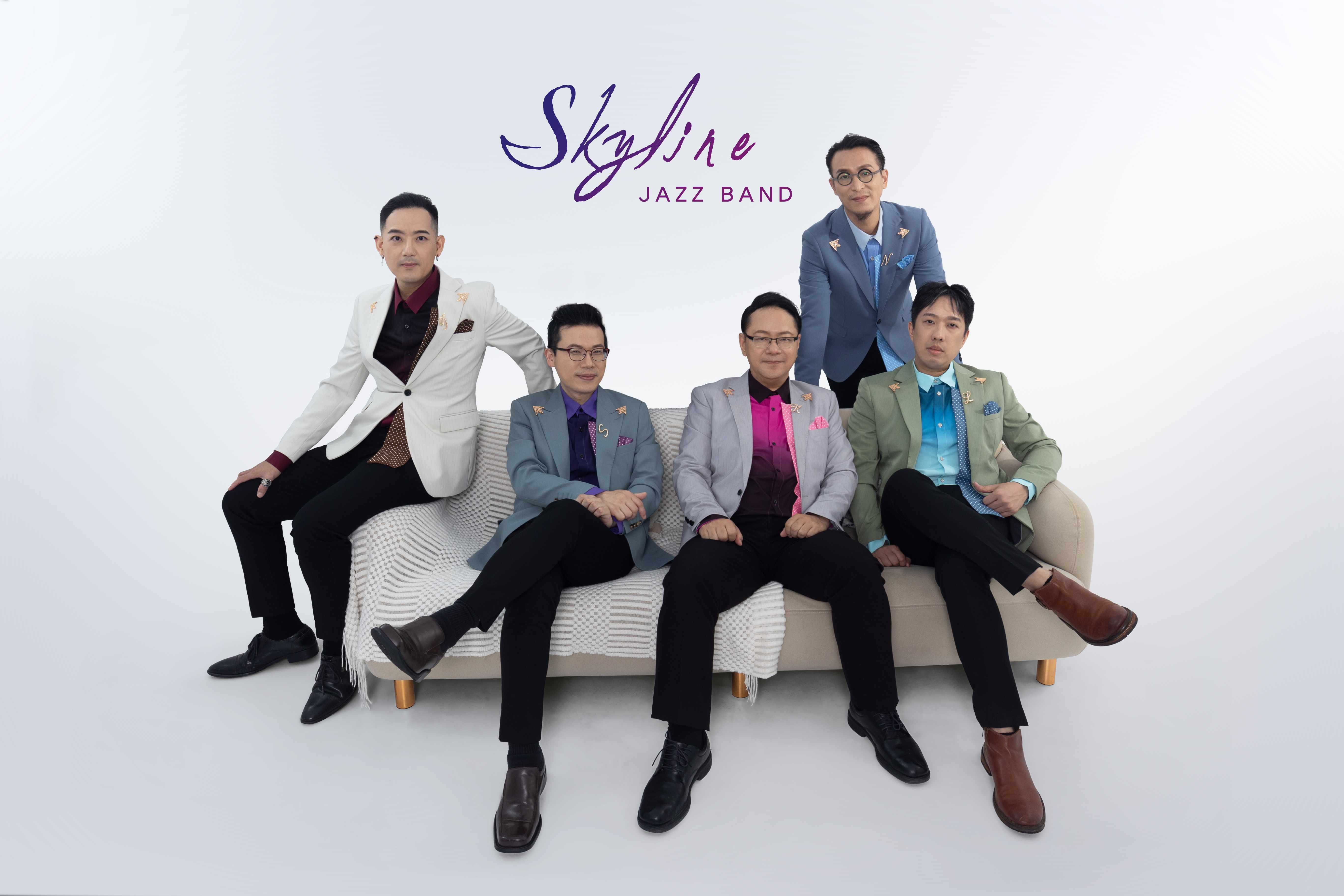
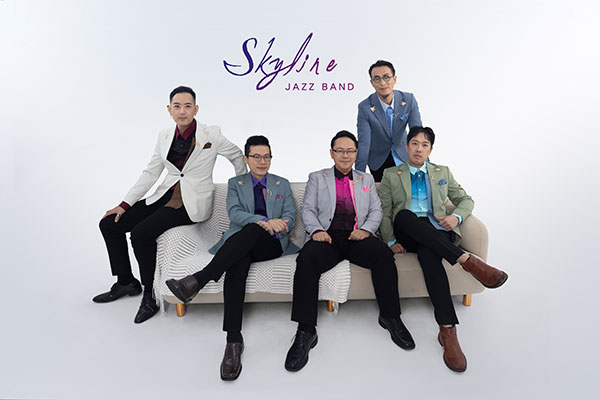
Skyline is a jazz-fusion band and we have been active for more than 20 years, and our journey has always been about finding a contemporary voice for jazz in the Mandarin-speaking world and beyond.
We started as an instrumental jazz-fusion band, inspired by the energy of city life, improvisation, and the emotional freedom of jazz. Over the years, we have performed across Asia and collaborated with many incredible musicians. With City Voices, we wanted to take everything we have learned over two decades and create something that connects jazz, pop, R&B, soul, Latin, and urban grooves with the voices of our country's contemporary music scene.
For us, this award is not only a recognition of one album, but also a beautiful encouragement for a long musical journey.
2. How do you see this recognition influencing your future music?
This recognition gives us a lot of confidence to keep pushing boundaries. Jazz fusion is not always the easiest genre to explain or market, especially in Asia, but this award tells us that music with strong musicianship, emotion, and cultural identity can still travel across borders.
It encourages us to be even more ambitious: to create music that is rooted in our country, but open to the world. In the future, we hope to continue blending different languages, rhythms, and musical traditions while keeping Skyline’s core spirit—urban, soulful, and improvisational.
3. What's the moment you first realized music was your calling? Can you describe it?
I think it was the first time I truly felt the power of playing in a band. As a bassist, you are not always in the spotlight, but you are deeply connected to everyone—the drummer, the chords, the melody, the singer, and the audience.
There was a moment when I realized that music was not just about playing notes correctly. It was about creating a shared emotion in real time. That feeling of being part of something larger than yourself—that was when I knew music would always be an essential part of my life.
4. What's the most unusual source of inspiration you've drawn from while creating your music?
For City Voices, a lot of inspiration came from the city itself—late-night streets, traffic lights, convenience stores, cafés, conversations, loneliness, and the feeling of walking through Taipei at night.
Sometimes the most musical inspiration is not a melody, but a scene. A rainy street, a neon sign, or someone waiting alone at a midnight gas station can become a rhythm, a chord progression, or a lyric idea. We wanted the album to feel like different corners of a city turning into songs.
5. Do you have any quirky rituals or habits when you're composing or recording?
I don’t know if it’s quirky, but I tend to listen to a track from many different perspectives. First as a bassist, then as a producer, then as a listener who has never heard Skyline before.
Sometimes I will listen while walking around the city, because I want to know if the music still feels alive outside the studio. If a groove works while you are walking through real streets, then it probably has the right pulse.
6. How would you describe your creative process? Is it more of a jazz jam session or a perfectly orchestrated symphony?
It is probably both. The foundation is very carefully arranged — the structure, harmony, production, and vocal direction are all planned with great detail. But within that structure, we always leave room for improvisation and surprise.
That is the beauty of jazz fusion. It can be highly crafted, but it still needs to breathe. For Skyline, the ideal creative process is like a city: there is architecture, but there is also traffic, movement, spontaneity, and human emotion.
7. How do you want people to feel or experience when they hear your music?
I hope people feel that jazz can be sophisticated but still emotionally accessible. It does not have to feel distant or academic. It can be warm, stylish, groovy, and deeply human.
With this album, we want listeners to feel like they are traveling through a modern Asian city at night—sometimes romantic, sometimes lonely, sometimes energetic, sometimes reflective. More than anything, we want them to feel connected.
8. What's one risk you took with your music that completely changed your career path?
One major risk was bringing vocal collaborations into our jazz-fusion world. We had a long history as an instrumental band, so inviting ten different singers into the album was both exciting and risky.
Each singer brought a different personality, genre background, and emotional color. We had to make sure the album still sounded like us while giving each voice enough space to shine. That decision completely expanded our musical language and helped us reach listeners who may not normally enter through the door of instrumental jazz.
9. What's the song or artist that first made you fall in love with music, and why?
There are many, but jazz-fusion artists such as Chick Corea, Herbie Hancock, Weather Report, and the great bass-driven music of Marcus Miller had a huge impact on me.
What attracted me was the combination of freedom and groove. The music could be technically brilliant, but it also had soul, rhythm, and imagination. That balance became very important to us: music that is skillful, but never loses its emotional center.
10. What's one moment in your career that you consider a turning point, and how did it shape your journey?
One important turning point was realizing that we should not simply imitate Western jazz-fusion traditions. We needed to create our own voice—one connected to Taiwan, to Mandarin pop culture, to Asian city life, and to our own musical memories.
That realization shaped everything that followed. It helped us move from being a band that plays jazz fusion to becoming a band that tells stories through jazz fusion. The album is probably the clearest expression of that direction so far.
11. If you could describe your award-winning work in a single sentence, what would it be?
The album is a bilingual urban jazz-fusion project that transforms the rhythm, emotion, and diversity of Taiwan’s contemporary city life into music for the world.
12. What was the most challenging part of creating this piece, and how did you push through?
The most challenging part was balancing complexity and accessibility. Jazz fusion can be musically rich, but we also wanted the songs to be emotionally immediate and welcoming to a wider audience.
Working with ten different vocalists also required a lot of trust and communication. Every track had its own personality, but the album still needed to feel like one complete journey. We pushed through by constantly returning to the core idea: this album is about the voices of the city. Once we understood each song as a different "voice," the diversity became the strength of the project.
13. What upcoming music project or album are you currently working on, or is there a new genre or style you’ve yet to explore but are eager to try?
After the album, we are very interested in bringing this music to more international audiences through live performances, showcases, and collaborations. The album was designed with a bilingual and cross-cultural concept, so the next step is to let it travel.
Musically, I would love to explore more connections between jazz fusion, Asian urban pop, electronic textures, and cinematic storytelling. There is still a lot of space for jazz to evolve in the streaming era, especially when it meets contemporary voices and global rhythms.
14. If you could collaborate with any artist, past or present, who would it be, and what would the vibe of your track together be?
If I could dream freely, collaborating with Herbie Hancock would be incredible. His music has always embraced the future while remaining deeply rooted in jazz.
The track would probably be a stylish, futuristic city groove—part jazz-fusion, part funk, part electronic, with a strong bassline, colorful harmonies, and room for improvisation. It would feel like Taipei, New York, and Tokyo meeting at midnight.
15. How would you inspire fellow musicians to participate in music awards, and what valuable advice would you share to guide their journey?
I would encourage musicians to see awards not only as competition, but as a way to document and share their work with a wider world. Submitting your music is also an act of belief—you are saying that your story deserves to be heard.
My advice is to be clear about what makes your music unique. Don’t only describe the genre; describe the vision, the journey, and the emotional world behind the work. Also, be patient. Recognition may not come immediately, but every serious step helps build your artistic identity.
Most importantly, create something honest. Awards can amplify your music, but the music itself must carry your truth.